
muscle tension

Conditions

Body Aches & Whole-Body Tension

When everything hurts a little and nothing hurts a lot, the nervous system is usually asking for support.

The kind of pain that’s hard to describe

Sometimes there’s no single injury, no single tight spot — just the sense that the whole body is sore, stiff, and slow to recover. It’s the kind of pain people learn to live with because there’s nothing “wrong” on a scan. But that doesn’t mean nothing’s happening.

Generalized body aches often trace back to a nervous system stuck in a chronic stress response. Muscles stay guarded, joints move less, sleep gets shallower, and recovery slows down. Add in posture habits, dehydration, and old injuries that never fully resolved — and the body starts ringing every alarm at once.

Gentle, specific adjustments help the nervous system shift out of fight-or-flight and into the rested, regulated state where the body actually heals.
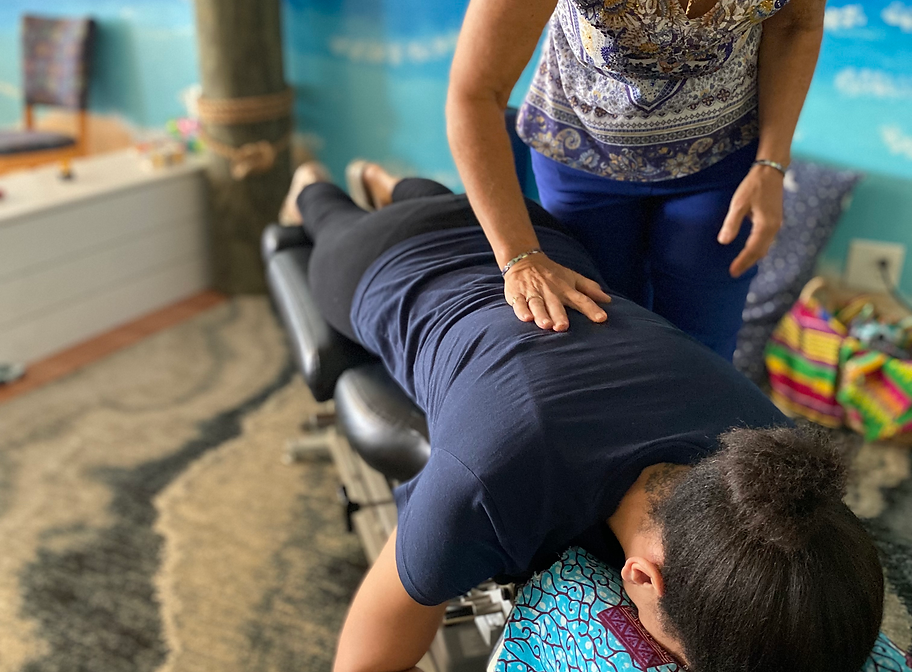
Perla patient story

Common signs your nervous system needs support

If most of these resonate, you’re a good candidate for care:

Generalized stiffness

Wake up sore most days

Vague aches that move around

Slow recovery from activity

Constant low-grade tension

Tight everywhere

Wired-but-tired feeling

Brain fog or low energy

How we help your body settle

A calmer nervous system. A body that recovers like it should.

  • Reduce nervous-system overload through gentle adjustments
  • Restore motion to the joints that have stopped moving well
  • Coach simple changes in sleep, posture, and breathing
  • Build a maintenance rhythm that protects the gains
Our Focus

“Less background pain. Better sleep. More energy in the tank for the day.”

Your care, step by step

Care here is unhurried, conservative, and explained as we go. Here's what your first weeks look like.

01

Listen carefully

We start by understanding how the symptoms behave, what daily life looks like, and what you have already tried so the plan reflects your reality.

02

Assess the full chain

We look at the spine, nearby joints, posture, movement habits, and the areas that may be feeding irritation further down the line.

03

Start gentle, specific care

Adjustments are conservative and tailored. Nothing is rushed, and we explain what we are doing before we do it.

04

Support progress at home

Simple guidance around posture, movement, and daily habits helps your body keep building on the changes between visits.

Common questions about Body Aches & Whole-Body Tension

These are the questions we hear most often from patients dealing with Body Aches & Whole-Body Tension.

I’ve been told nothing is wrong — can you still help?

Yes. The absence of a clear diagnosis doesn’t mean you’re imagining the pain. We focus on function, not just findings.

Could this be fibromyalgia?

Possibly — gentle chiropractic care is a common complementary approach for fibromyalgia.

How long until I feel better?

Many people feel some change within the first few visits. Whole-body tension often takes a longer series to fully address.

Will you push hard on sore spots?

No. Care is gentle and adapted to your tolerance.

Do I need to come forever?

No. Most people transition to a maintenance rhythm once things settle.

What about stress and sleep?

Both improve when the nervous system can downshift. We’ll talk through simple changes that help.

Living with low-grade pain isn’t the only option.

Let’s talk about what’s going on and figure out a path forward.