
pain in hands

Conditions

Neuropathy

Burning, tingling, numbness, or weakness in the hands and feet often improves when the nerves get the room and signal they need.

What’s affecting your nerve health?

Neuropathy rarely shows up overnight. For most adults, symptoms creep in slowly — a little tingling at night, an odd numb patch in the foot, a burning sensation that comes and goes. As circulation slows, inflammation builds, or nerves get crowded along the spine, those signals get louder.

By the time most people reach out, sleep is suffering, balance feels off, and the simplest things — standing in line, walking the dog, holding a coffee — have started to take real effort. The good news: in many cases, the underlying drivers respond well to gentle, conservative care.

Our approach focuses on the spine, the joints along the nerve pathway, posture, and the daily habits that either calm or aggravate the symptoms. We’re not chasing a diagnosis — we’re working to restore the conditions your nerves need to function.
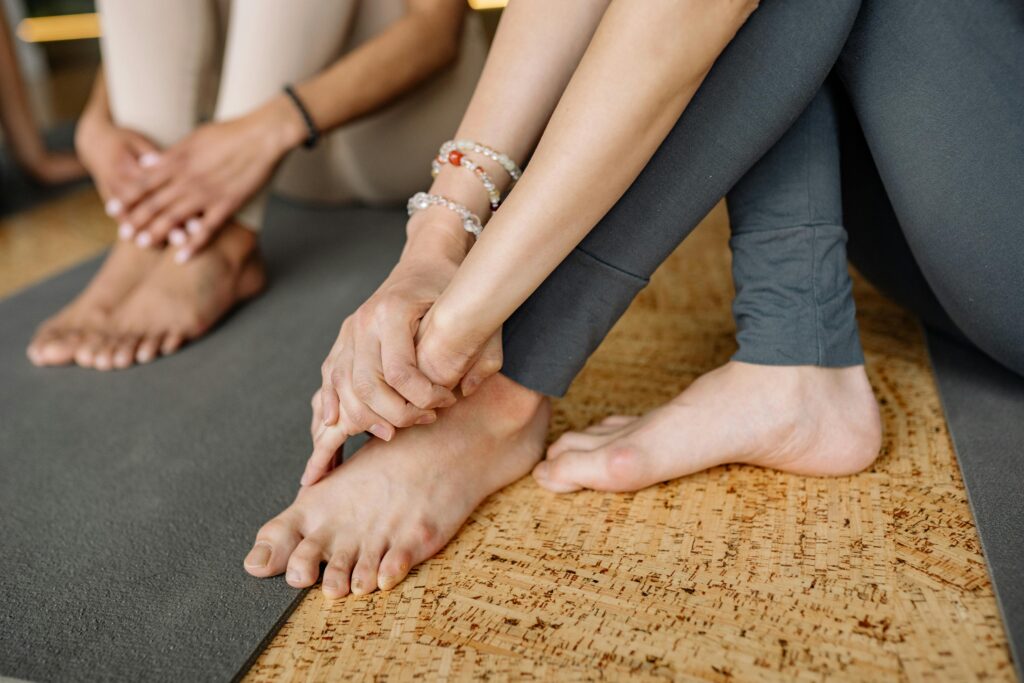
Neuropathy foot

Common signs you might have this condition

Most adults dealing with neuropathy notice one or more of the following:

Burning or shooting pain

Numbness or tingling

Throbbing pain at rest

Muscle weakness

Poor circulation

Sensitive to light touch

Disrupted sleep

Balance & coordination issues

How we help you feel more comfortable again

Care here is gentle, specific, and focused on long-term comfort — not on masking the symptom.

  • Improve circulation to support healthier nerves
  • Reduce inflammation and irritation along the nerve pathway
  • Restore clearer nerve communication through gentle adjustments
  • Strengthen the supporting muscles for better stability
Our Focus

“Help you move, rest, and live with less discomfort.”

Your care, step by step

Care here is unhurried, conservative, and explained as we go. Here's what your first weeks look like.

01

Listen carefully

We start by understanding how the symptoms behave, what daily life looks like, and what you have already tried so the plan reflects your reality.

02

Assess the full chain

We look at the spine, nearby joints, posture, movement habits, and the areas that may be feeding irritation further down the line.

03

Start gentle, specific care

Adjustments are conservative and tailored. Nothing is rushed, and we explain what we are doing before we do it.

04

Support progress at home

Simple guidance around posture, movement, and daily habits helps your body keep building on the changes between visits.

Common questions about Neuropathy

These are the questions we hear most often from patients dealing with Neuropathy.

Can nerve pain improve without medication or surgery?

In many cases, yes. Non-invasive care that focuses on improving circulation, easing nerve irritation, and supporting healthy joint motion can meaningfully reduce discomfort — often without relying on medication or considering surgery.

How do I know if my symptoms are nerve-related?

Burning, tingling, numbness, sharp shooting pain, or weakness that follows a specific path down an arm or leg almost always involves the nerves. We’ll do a careful assessment on your first visit and tell you honestly what we think is going on.

Does neuropathy always get worse over time?

Not necessarily. Without support it can progress, but with consistent care to address the underlying drivers, many people see their symptoms stabilize or significantly improve.

How long does it take to notice improvement?

Most adults notice some change within the first few visits. Lasting improvement usually takes a series of visits over several weeks — we’ll give you a realistic timeframe after your initial assessment.

What parts of the body can neuropathy affect?

Most commonly the hands and feet, but it can show up anywhere the affected nerve travels — arms, legs, the trunk, or even the face.

Is this care right for me if I’ve already tried other treatments?

Often, yes. Many of the people we help have already tried medication, injections, or physical therapy with limited results. We’ll have an honest conversation about whether chiropractic is a good fit for your situation.

Don’t let nerve discomfort control your day.

With the right approach, many people find they can move more freely, sleep better, and feel like themselves again. We’re here when you’re ready to take the next step.