
Open road at sunset

Conditions

Car Accident Injury

Even low-speed collisions can leave the spine and nervous system rattled. Early, gentle care helps you recover well.

Don’t wait for symptoms to get loud

After a collision, the most common pattern we see is people who feel “mostly okay” for a few days — and then notice the neck stiffening, the headaches starting, the sleep getting worse, and the low back joining the party a couple of weeks in. The body protects you in the moment, but the impact still happened.

The earlier care begins, the better the outcome. Tissues that haven’t had a chance to settle into chronic guarding patterns respond faster, and you’re less likely to deal with lingering symptoms months down the road.

Care is gentle and progressive — we don’t force motion through irritated tissue. We restore movement to the joints that have locked down, ease muscle guarding, and help the nervous system come back out of the stress response the impact triggered.
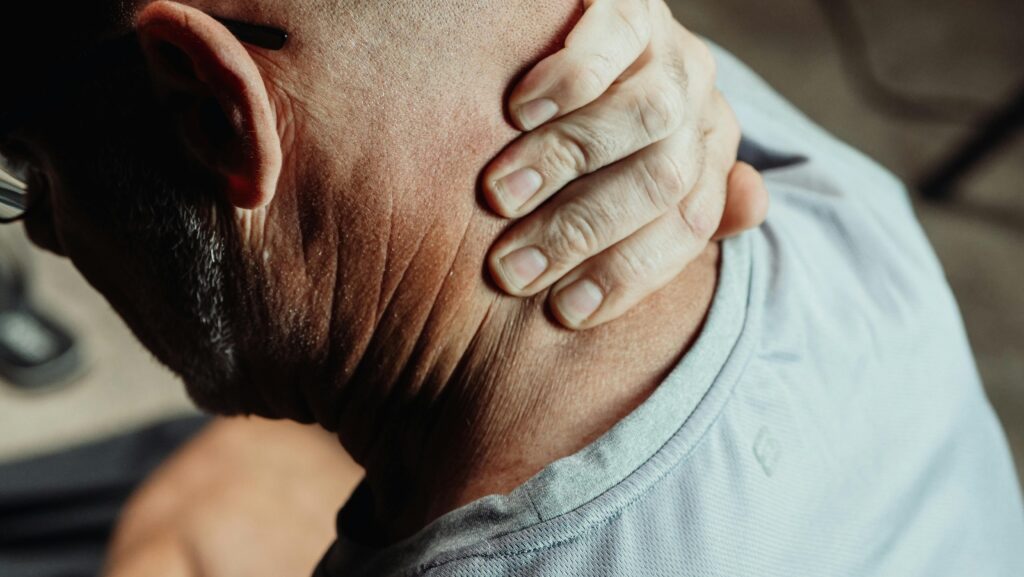
neck injury

Common symptoms after a collision

Some show up immediately. Others creep in over weeks. All worth assessing:

Neck stiffness or pain

Tension headaches

Mid-back or low back pain

Trouble sleeping

Brain fog or fatigue

Tingling in arms or hands

Anxiety or feeling on edge

Dizziness or off-balance

How we help you recover well

Gentle, progressive care — no forcing, no surprises.

  • Careful initial assessment of what the impact actually did
  • Restore motion to the joints that have locked down
  • Ease the muscle guarding that’s amplifying everything
  • Help the nervous system come back out of the stress response
Our Focus

“A full recovery — not a chronic problem you carry for years.”

Your care, step by step

Care here is unhurried, conservative, and explained as we go. Here's what your first weeks look like.

01

Listen carefully

We start by understanding how the symptoms behave, what daily life looks like, and what you have already tried so the plan reflects your reality.

02

Assess the full chain

We look at the spine, nearby joints, posture, movement habits, and the areas that may be feeding irritation further down the line.

03

Start gentle, specific care

Adjustments are conservative and tailored. Nothing is rushed, and we explain what we are doing before we do it.

04

Support progress at home

Simple guidance around posture, movement, and daily habits helps your body keep building on the changes between visits.

Common questions about Car Accident Injury

These are the questions we hear most often from patients dealing with Car Accident Injury.

How soon after the accident should I come in?

As soon as you’re able. Even if you feel okay, an assessment helps catch issues before they settle in.

It was a low-speed crash — do I really need this?

Yes. Even minor collisions transfer significant force into the spine and nervous system.

Will care interfere with my insurance claim?

No — in fact, documentation of care often supports it. We can talk through what to expect.

How long does post-accident care take?

It depends on what we find. Most cases respond within a series of visits over weeks.

Should I see my regular doctor first?

Yes for any acute injuries needing imaging or medical care. Chiropractic complements rather than replaces that.

What if it’s been months since the accident?

Care can still help. Long-standing post-accident symptoms often respond to a careful conservative approach.

Don’t let the accident become a chronic problem.

Early, gentle care often makes the difference between a clean recovery and lingering symptoms. Let’s talk.